

For the choice of flooring, we must first understand what types of flooring are currently on the market, what are the specific types of flooring, and what are the functions of each. There are many types of flooring on the market. The most common types of flooring with different materials are solid wood flooring, composite flooring, laminate flooring, bamboo and wood flooring, geothermal flooring, PVC plastic flooring, etc. There are a series of types of flooring, let`s take a look below. The advantages and disadvantages:
1. PVC floor
Advantages: no formaldehyde, good thermal conductivity, low thermal expansion and contraction coefficient, will not be deformed by temperature/humidity, wear resistance, antibacterial, will not be moth-eaten, mildew, elastic, and good anti-slip performance.
Disadvantages: new materials, few regular domestic manufacturers, large performance gaps in environmental protection of small brands, and high requirements for construction ground flatness
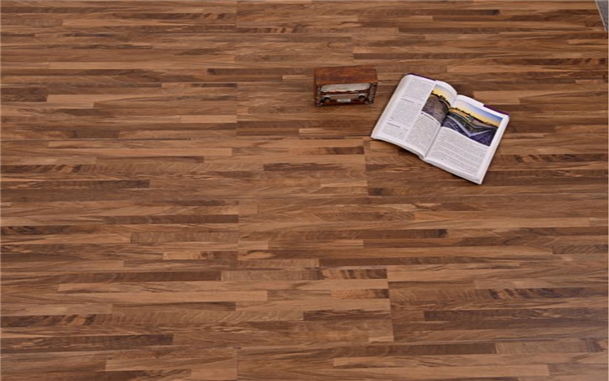
Advantages: gorgeous and noble, it is a natural green and harmless floor building material, and the floor can be repaired after damage.
Disadvantages: Contains formaldehyde, which is greatly affected by the environment, swells when exposed to water, is easily deformed, is affected by insects, breeds bacteria, has large color differences, and is inconvenient to maintain.
3. Bamboo flooring
Advantages: production of natural materials, floor repair after damage, easy floor cleaning and maintenance
Disadvantages: susceptible to changes in temperature and humidity, deformed, susceptible to insects, bacterial growth, formaldehyde release, and high fire protection requirements.
4. Laminate flooring (not recommended)
Advantages: natural material production, floor repair can be ground after damage, floor cleaning and maintenance are convenient.
Disadvantages: fear of water/moisture, large coefficient of thermal expansion and contraction, high formaldehyde emission, poor slip resistance.
5. Floor tiles
Advantages: rich in colors, lower cost than marble and granite, and easy to maintain.
Disadvantages: non-slip, difficult to construct, easy to break, poor flexibility, loud noise and radiation.
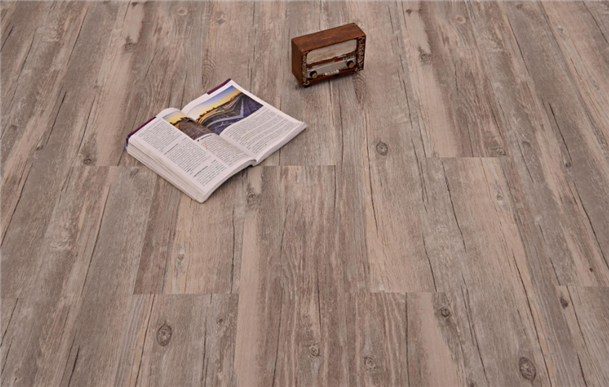
In addition to understanding the types of floors, you should choose the floor, and then conduct an assessment of the quality of these floors to see what kind of performance floors your family needs. For example, solid wood flooring is environmentally friendly, it has a good sound insulation and noise reduction effect, the thermal expansion and contraction of solid wood composite flooring is not large, so it is not easy to deform, the style of bamboo and wood flooring is fresh and elegant, and the decoration effect is very good. It is common to choose wood flooring and bamboo flooring for household use.
Family with children choose floor
Owners with children at home need to pay special attention when laying the floor, because the children themselves are young, active, and like to sit on the ground and play, so some things need to be paid attention to when laying the floor.
1. The floor material should have a warm touch and be easy to clean. There should be no uneven patterns and seams, because any small things that accidentally fall into these sunken seams may become a potential threat to children. At the same time, these bumps and gaps can easily trip over toddlers.
2. Although the floor material is too hard, it is easy to clean, but it will be very uncomfortable for children crawling around. Therefore, the floor must be more flexible and have better anti-slip performance.
Step 3: Understand the floor market
To know the recent floor market, the price of the floor may rise and fall to varying degrees at any time according to some uncertain factors. This requires you to pay attention to the current floor market and know what the current floor brands are, and the prices are How is it. It is also better to know when to choose the floor.
Recommended reading: What is the market price of pvc flooring? How much is PVC floor per square meter
1. Formaldehyde emission
Formaldehyde emission is an important indicator to measure home decoration materials. The standard for green building materials stipulated by the International Environmental Protection Organization is not higher than 8mg/100g, and the allowable emission standard of formaldehyde for environmentally labelled man-made panels is 0.20mg/m3. Flooring is mainly divided into solid wood flooring, solid wood composite flooring, impregnated paper laminated wood flooring (commonly known as laminated wood flooring), and bamboo flooring. According to national standards, solid wood flooring has no formaldehyde emission requirements, solid wood composite flooring, bamboo flooring, formaldehyde emission requirements are 1.5mg/L, laminate flooring is divided into E0, E1, E0 0.5 mg/L, E1 1.5 mg /L.
2. Surface wear resistance
The surface wear resistance of the floor refers to the detection index of the wear resistance of the first surface wear layer aluminum oxide, which is measured by the number of revolutions of the testing equipment. The higher the number of revolutions, the better the quality of this wood floor and the more wear-resistant it is. The national standard stipulates that the wear-resisting revolutions of household grade 1 laminate flooring is ≥6000 revolutions. Branded laminate flooring is usually maintained at around 8500 revolutions. Non-branded laminate flooring cannot meet the national standard. This is an important indicator to measure the quality of laminate flooring. Some people think that: the higher the number of floor wear-resistant revolutions, the longer the floor should be used, but the level of wear-resistant value is not the only standard to measure the service life of the composite floor. The latest national standard stipulates that the initial wear-resistant revolutions of household laminate flooring is 4500 revolutions.
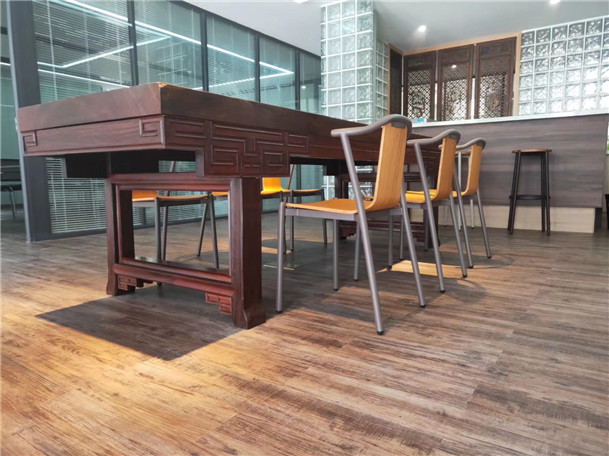
The surface scratch resistance index of wooden floor reflects its ability to resist scratches by sharps. The latest national standard in 2010 is that the surface decorative pattern ≥4.0N is not scratched. Branded laminate flooring can generally meet the national standard, while the laminate flooring that does not meet the national standard can generally only reach 2-3N. Of course, the performance indicators of wood flooring include moisture content, water absorption thickness expansion rate, static bending strength, surface pollution and corrosion resistance, surface bonding strength, internal bonding strength, impact resistance, etc.