

Vinyl flooring has been a popular flooring choice in the United States for many years, and it still accounts for approximately 15% of annual flooring spending in the country. When most people talk about vinyl floors they usually think about sheet floors. However, there are other forms of flooring made of vinyl, such as tiles and planks. Because they are both made from vinyl they share some common characteristics and have many of the same advantages and disadvantages.
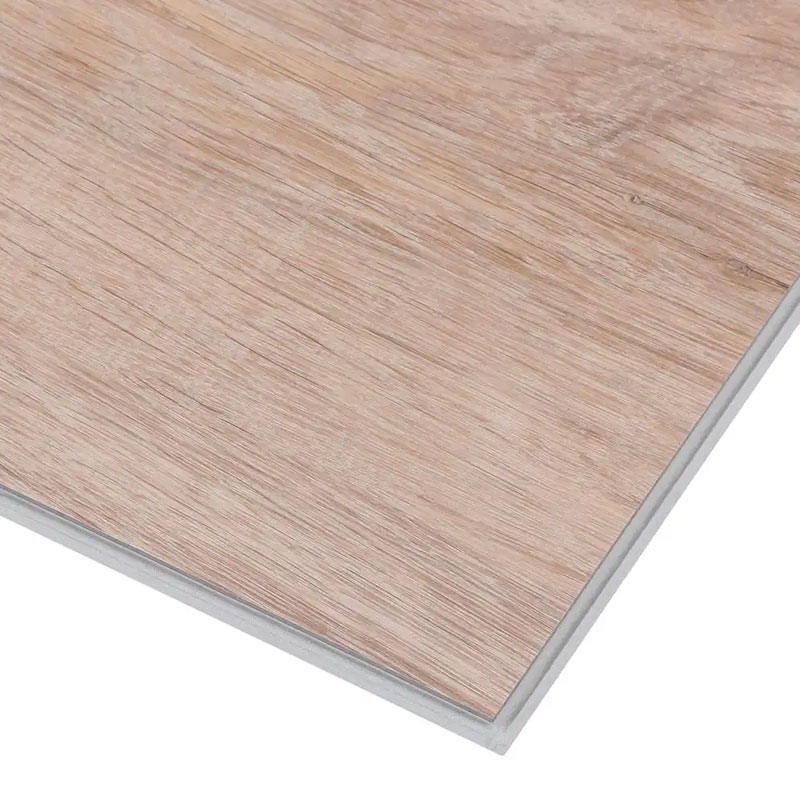
advantage
Affordability: The main advantage of ethylene is its ability to withstand. While it can mimic high-end flooring in appearance, vinyl flooring is relatively inexpensive and can be installed for as little as $5 per square foot.
Wide Color Choices: All vinyl floors are available in a wide range of colors, making it adaptable and easy to adapt to almost any decor.
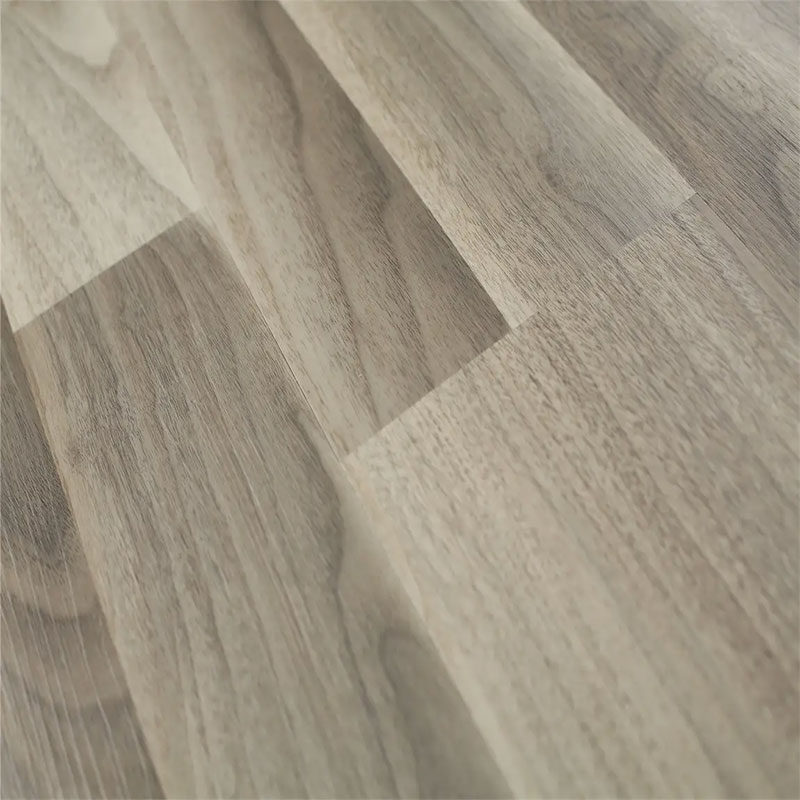
Quick and easy installation: Available in brick and plank, as well as sheets, it's easy to install. Floor tiles are usually in 12-inch squares, so they're easy to handle and both sides of the tiles and planks are often manufactured with a "peel-and-stick" backing, which means they're easy for owners to lay down themselves (saving money on professional installations).
Moisture Resistance: Vinyl flooring is completely waterproof, so it can be used almost anywhere in the home, including main, upper and below grades. It works especially in bathrooms and kitchens, where water tends to end up on the floor.
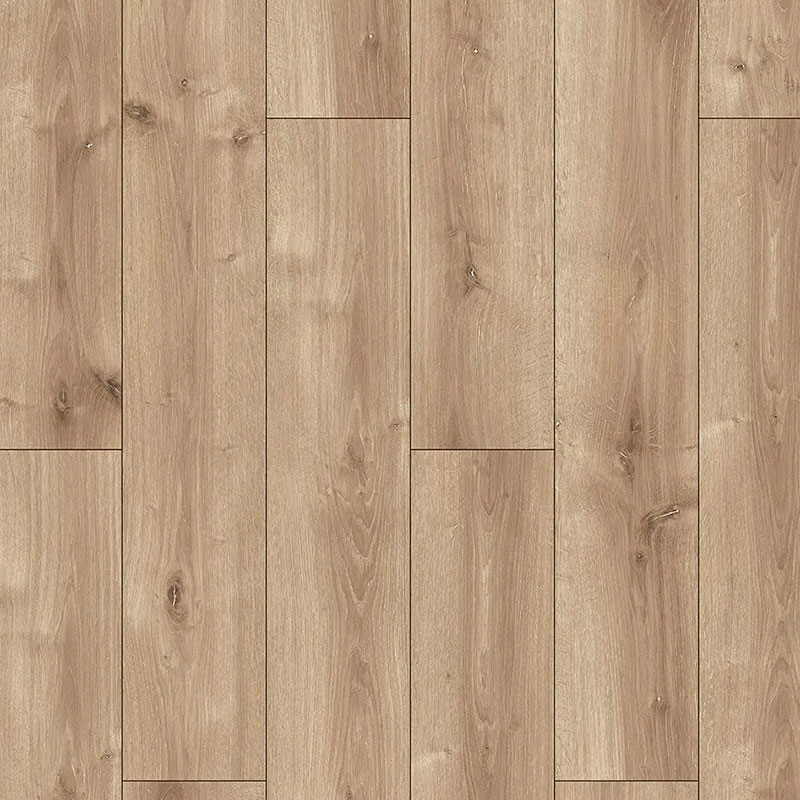
EASY TO CLEAN: Water only needs to bead on the surface, so it's easy to mop up. Plus, regular sweeping and occasional wet mopping are all it takes to keep a vinyl floor clean and bright.
Durability: Most vinyl floors have a "wear layer" (sometimes up to three) on top of the vinyl itself, so it's resistant to normal traffic wear.