

LVT is both "high-end vinyl flooring" and is a new type of material, vinyl is a "resilient" floor, which means its soft texture has a little "give" when you walk on it, making it a good The work platform you can stand on for hours.
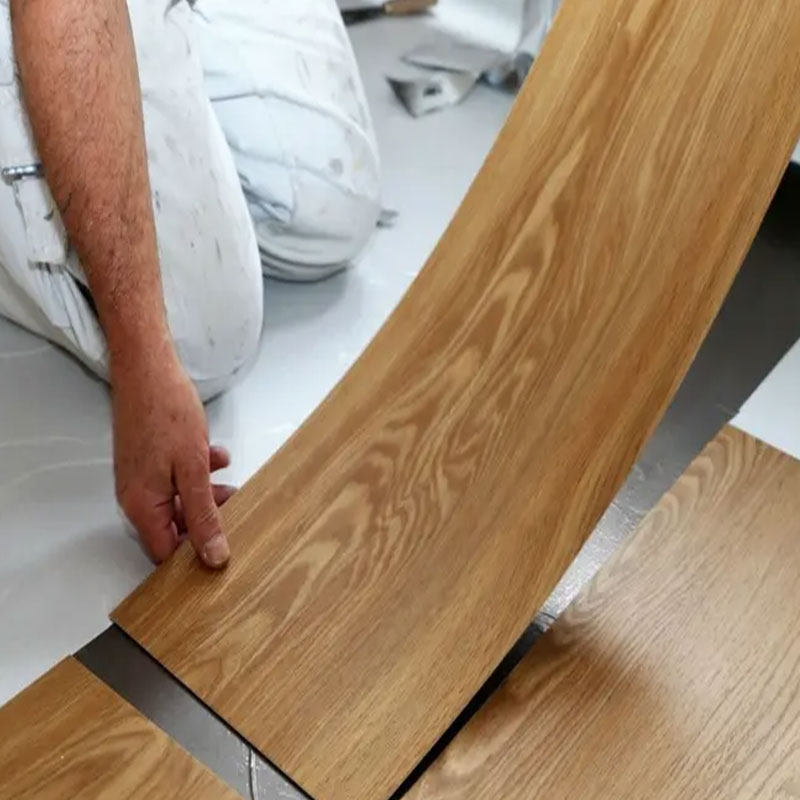
2. Moisture resistance: Vinyl flooring is completely waterproof, so it can be used almost anywhere in the home, including the main, upper and below grades. It works especially in bathrooms and kitchens, where water tends to end up on the floor.
3. Easy to clean up: Water only needs to beaded on the surface, so it is easy to sweep. Plus, regular sweeping and occasional wet mopping are all it takes to keep a vinyl floor clean and bright.
4. Durability: Most vinyl floors have a "wear layer" (sometimes up to three) on top of the vinyl itself, so it's resistant to normal traffic wear and tear.
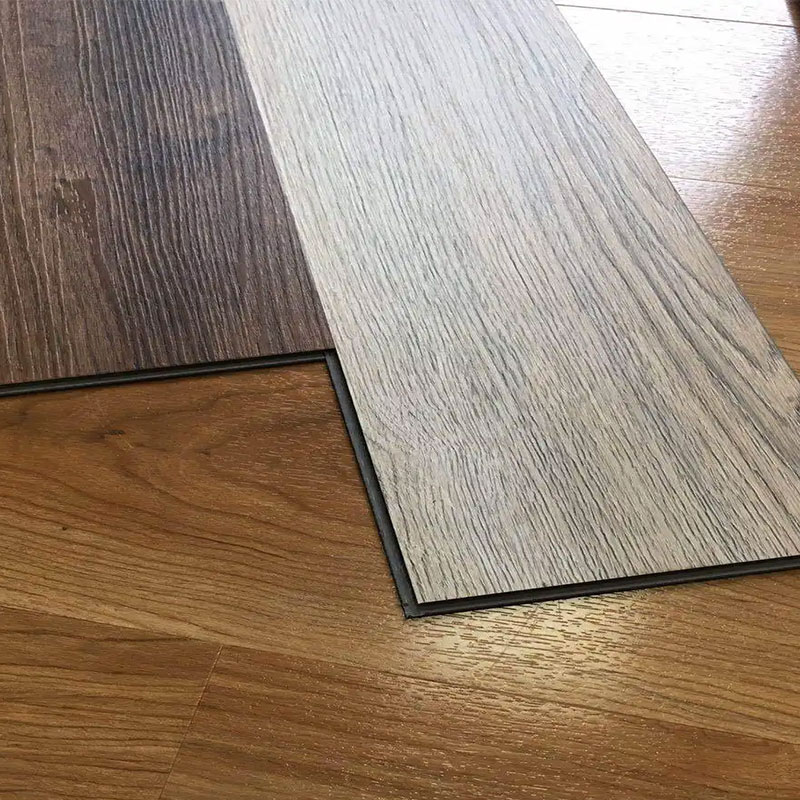
1. Measure the area of the room
Before the floor is installed, it is necessary to accurately measure the paving area of the room, so as to know the material loss during the whole paving process.
The first step before laying the floor is to deal with the base, mainly to repair the problem ground to form a new base to avoid the arching of the floor caused by the hollowing and cracking of the original base. After the base is done, the ground needs to be leveled. If the ground is uneven, it will not only cause gaps in the skirting, but also the overall floor will be uneven, and there will be abnormal noises, which will seriously affect the quality of the floor.
3. Leveling the ground
The horizontal error of the ground should not exceed 2mm. If it exceeds, you must find a way to level it. If the ground is uneven, it will not only cause gaps in the skirting, but also the overall floor will be uneven, and there will be abnormal noises, which will seriously affect the quality of the floor.